You loved what Rupi Kaur opened up. The short lines, the white space, the feeling that poetry could finally speak plainly. But somewhere along the way you started wanting more teeth. Less of the tidy healing arc, more of the wound left open. If you are looking for poetry books like Rupi Kaur but rawer, you are not asking for a copy of milk and honey. You are asking for what comes after the softness, when you are ready to be told the truth without the bow on top.
Here is where to go next.
What “Rawer” Actually Means
It helps to name the itch precisely, because “rawer” is doing specific work here. Kaur’s gift is accessibility and resolution: most of her poems move you toward healing and land somewhere gentle. What you are likely craving instead is one or more of these: language that stays in the anger instead of rushing past it, endings that refuse to resolve, imagery that unsettles rather than soothes, or a voice that witnesses pain without softening it for comfort.
The books below deliver that. They are arranged roughly from closest-to-Kaur toward the most unflinching.
The Rawer Alternatives to Milk and Honey
Nayyirah Waheed, salt. and Nejma. If you want one recommendation, start here. Waheed writes in the same distilled, minimalist register as Kaur, but the poems are sparer and cut deeper, often landing in a single line that refuses to explain itself. Themes of race, identity, migration, and womanhood run underneath. This is the closest thing to milk and honey that is also markedly rawer.

Warsan Shire, Teaching My Mother How to Give Birth and Bless the Daughter Raised by a Voice in Her Head. A Kenyan-born Somali poet whose work documents displacement, war, the body, and inherited trauma. Shire is more literary than Kaur and considerably more visceral. Her lines about migration and womanhood do not comfort you. They confront you, and they stay.

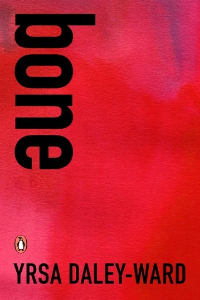
Yrsa Daley-Ward, bone. This one hurts, in the way you are asking to be hurt. Daley-Ward writes about desire, faith, depression, and survival with an honesty that does not flinch or apologize. If Kaur tends toward healing, bone is willing to sit in the unhealed and call it by name.
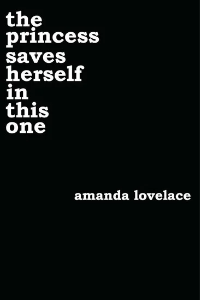
Amanda Lovelace, the princess saves herself in this one. Closer to Kaur in tone and aimed at a slightly younger reader, but built around a survivor’s arc: abuse, grief, and the slow reclaiming of your own power. Choose this if what you want rawer is the story of surviving, told in sequence.
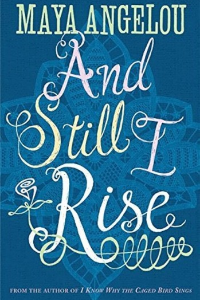
Maya Angelou, for the root. Before the Instagram era, Angelou was writing about abuse, dignity, and defiance with a spine most modern collections still reach for. If you want to trace the lineage of the poetry you love back to its source, start with her. She was doing this long before the format had a name.
Several of these voices, Waheed, Shire, Daley-Ward, Angelou, are Black women writing from inside their own experience, which makes this list a strong starting point if you also came looking for poetry books by Black women specifically.
If You Want Rawer and Unresolved
There is a particular reader who wants all of the above and one thing more: poems that do not resolve at all. Not healing, not a lesson, just the clear-eyed witnessing of what it is to be human, left open for you to finish.
That is the register of Every Shade of Human. It is a collection of observations on the human condition written in short, fragmented lines, dry and precise, closer to spoken word than to the page. The poems name emotional experiences directly and then refuse to tie them off. Where milk and honey moves you toward comfort, this one tends to stop at the truth and let it stand. For readers who found Kaur a door and now want a room with less furniture and more air, it is an indie voice worth knowing. You do not get resolution. You get recognition, which is often the thing you were actually after.

How to Choose Your Next Read
If you want the closest match that is still rawer, read Waheed. If you want literary and visceral, read Shire. If you want to be undone honestly, read Daley-Ward. If you want a survivor’s arc, read Lovelace. If you want the lineage, read Angelou. And if you want the ache named and left open rather than resolved, that is where Every Shade of Human lives.
None of these will feel like milk and honey. That is the point. You already read that one.
Frequently Asked Questions
What poetry is similar to Rupi Kaur but more raw?
Nayyirah Waheed (salt., Nejma), Warsan Shire (Teaching My Mother How to Give Birth), and Yrsa Daley-Ward (bone) are the most frequently recommended rawer alternatives. All three share Kaur’s plainspoken accessibility but go deeper into anger, trauma, and unresolved pain.
What should I read after milk and honey?
If you want a natural next step that is still accessible but more unflinching, start with Nayyirah Waheed’s salt. From there, Warsan Shire and Yrsa Daley-Ward push further into raw, literary territory.
Who writes rawer poetry than Rupi Kaur?
Warsan Shire and Yrsa Daley-Ward are commonly cited as writing rawer, more visceral work than Kaur, while Nayyirah Waheed writes in a similar minimalist style but cuts deeper.
Are there alternatives to milk and honey by Black women poets?
Yes. Nayyirah Waheed, Warsan Shire, Yrsa Daley-Ward, and Maya Angelou are all Black women poets writing on themes of identity, trauma, and womanhood, and all are strong alternatives to milk and honey.
Is Every Shade of Human like Rupi Kaur?
It shares the short-line, plainspoken accessibility, but it is rawer and more unresolved. Rather than moving toward healing, it witnesses the human condition and leaves the ending open for the reader.